Looking for a way to make money with your Cricut? Pricing your handmade crafts correctly can make all the difference between a hobby and a profitable business.
I've been selling Cricut projects for years, and figuring out pricing was one of my biggest challenges at first. Charge too little and you're working for pennies. Charge too much and nobody buys.
This guide will walk you through every step of pricing your Cricut crafts so you can cover your costs and actually make money doing what you love.
Step 1: Calculate Material Costs
Start by tracking exactly what each project costs to make. This includes every single supply that goes into your craft.
What to include:
- Blank items (tumblers, shirts, wood signs, etc.)
- Vinyl – adhesive or HTV (affiliate link)
- Paper and cardstock
- Transfer tape
- Any embellishments
Here's how I calculate vinyl costs. Let's say a 12″ x 6ft roll of Oracle 651 vinyl (affiliate link) costs $6. Divide $6 by 6 feet to get $1 per square foot.
For Heat Transfer Vinyl, the cost per square foot is usually higher. A 12″ x 5ft roll might cost $8-10, so your cost per square foot goes up to $1.60-2.00.
Pro tip: I track my material costs in a simple spreadsheet. It makes pricing new projects so much faster.
Step 2: Factor in Labor Costs
Your time is valuable! This is where most new crafters undercharge themselves.
Some projects are quick and easy. Others take hours of design work, weeding tiny vinyl pieces, and careful assembly.
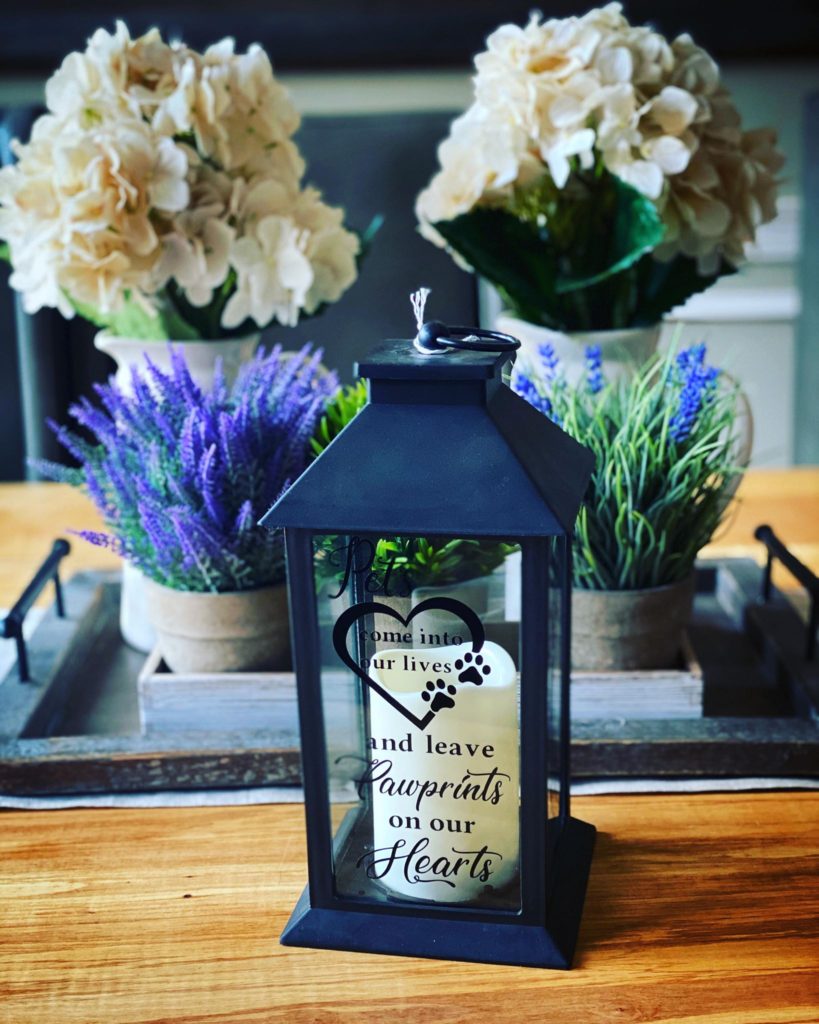
Let me give you a real example. When I make memorial lanterns, I can spend 3-4 hours on a single piece. I'm designing custom text, weeding stubborn Oracle 651, taking apart the lantern to apply vinyl on the inside of the glass, and reassembling everything.
My blank materials might only cost $10. But I charge $30-60 for that lantern because of all the time involved.
If I only charged $20 for a 4-hour project, I'd be paying myself $2.50 per hour. That's not sustainable.
Minimum rule: Pay yourself at least minimum wage for your time. Ideally, aim for $15-25 per hour depending on your skill level.
Step 3: Use a Pricing Formula
Here's the formula I use for almost every project:
Time + Materials = Cost
Cost x 2 = Wholesale Price
Wholesale x 2 = Retail Price
For simple projects, I have a quick rule: Get at least 3x what the blank cost.
If I buy a t-shirt blank (affiliate link) for $5, I try to sell it for $15 minimum. This usually covers the vinyl cost and my time.
But remember – more complex projects need higher pricing! A simple one-color decal on a shirt is different from a detailed multi-layer HTV design.
Step 4: Research Market Prices
You need to know what other crafters are charging. But here's the thing – you don't want to get into a race to the bottom.
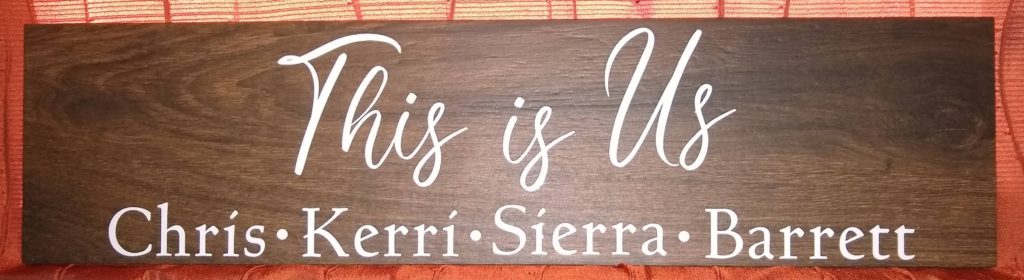
Let's say you're selling a beautiful custom wood sign for $40. Then you find out someone down the street is selling something similar for $25. Who will customers choose?
Don't just drop your prices! Instead, make your product better. Add ribbon, flowers, or special details that justify your higher price.
How to research effectively:
Check these platforms:
- Etsy (search your product type)
- Facebook Marketplace (local competition)
- Craft fairs in your area
- Instagram hashtags
What to look for:
- Price ranges for similar items
- What makes top sellers different
- Customer reviews and complaints
- What materials they're using
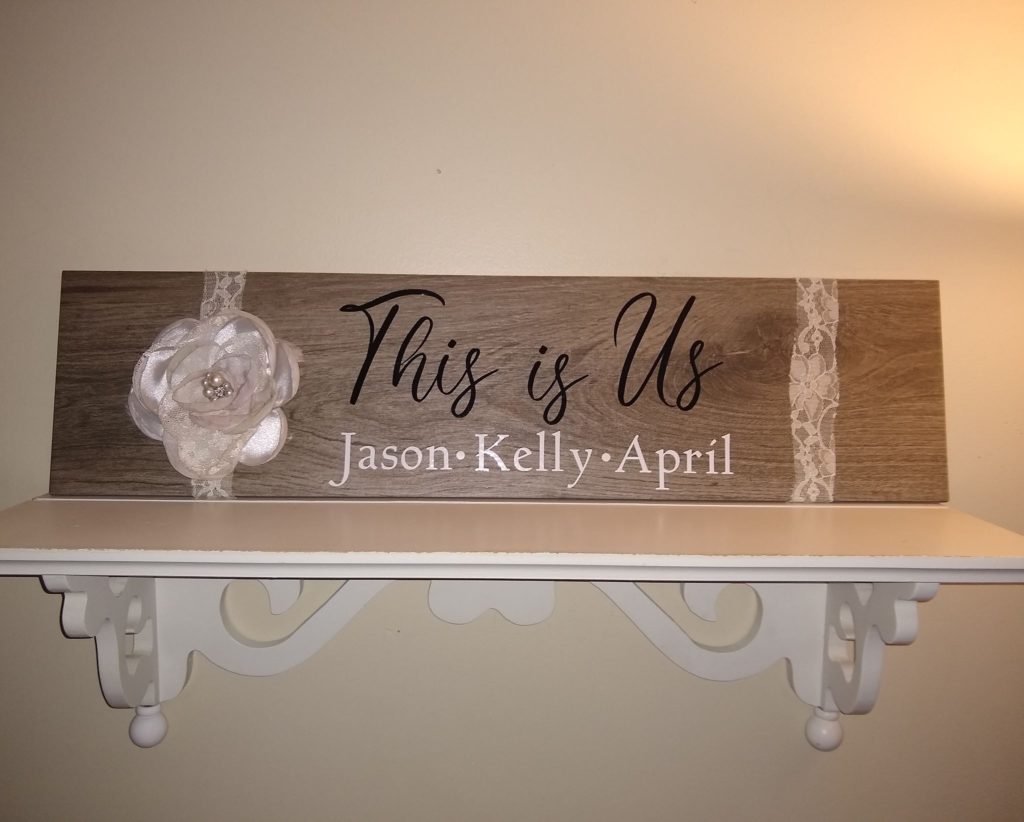
Know your audience: Personalized gifts can command higher prices because they're custom. People pay more for customization.
Consider your location: If you're selling at local craft fairs, factor in your area's income levels and what people can afford.
Factor in platform fees: Selling on Etsy? They charge listing fees and transaction fees. Build those into your pricing so they don't eat your profits.
Seasonal pricing: Christmas decorations in November? You can charge more. The same item in January? Might need to discount it.
Step 5: Adjust for Unique Factors
This is where you can really stand out and charge premium prices.
Customization and Personalization
Custom names, dates, or messages make your products more valuable. I charge an extra $5-10 for any personalization because it takes extra design time.
Intricate Work
Complex projects deserve higher prices. If you're doing detailed layered vinyl work or multi-step assembly, charge for that skill.
Premium Materials
Using high-quality materials? Let customers know! Premium Oracal vinyl lasts longer than cheap stuff. Eco-friendly options appeal to customers willing to pay more.
Limited Editions
Create exclusivity! Limited runs or signature collections can justify higher prices. When customers know something won't be available forever, they're more likely to buy now.
Bundling
Offer sets of matching items. A single coaster sells for $8, but a set of 4 might sell for $25. You save time making multiples, and customers love getting a deal.
Your Brand Reputation
As you build a following and get positive reviews, you can increase prices. Customers pay more for brands they trust.
Pro tip: Take amazing product photos! Good photography can justify higher prices because customers see the quality.
FAQ
Q: How do I know if I'm charging too much?
A: If you're not getting any sales after a few weeks, you might be priced too high for your market. Try adjusting down slightly or adding more value. But don't immediately assume price is the problem – it could be your marketing or product photos.
Q: Should I charge more for rush orders?
A: Absolutely! Rush orders disrupt your schedule and add stress. I charge 50% extra for anything needed in under 7 days.
Q: What if someone complains my prices are too high?
A: Not everyone is your customer, and that's okay! Politely explain your pricing includes quality materials and craftsmanship. The right customers will understand and value your work.
Q: How often should I adjust my prices?
A: Review your pricing every 3-6 months. As material costs go up, your prices should too. Don't be afraid to increase prices on new products.
Q: Can I charge different prices on different platforms?
A: Yes! Etsy, craft fairs, and your own website can all have different pricing. Just factor in the fees and effort for each platform.
Materials & Tools Mentioned
Here are some of the key supplies I mentioned for your Cricut projects:
- Oracle 651 Vinyl – Black
- Oracle 651 Vinyl – White
- Cricut EasyPress 3 for HTV projects
- T-shirt blanks
- Tumbler blanks for sublimation
- Square Card Reader – Accept payments easily
- Creative Fabrica – Download unlimited designs with commercial license for $3.99/month
Get your Cricut machine here if you're just starting out!
Watch My Pricing Tutorial
Want to see more about making money with your Cricut? Check out my video on creating and selling projects:
How To MAKE MONEY With CRICUT – Follow My Cricut Business Journey
I also have a helpful video about selling at craft fairs where pricing comes up:
Craft Fair Success: Top Tips and Advice for Your Cricut Business
Start Your Cricut Business Today
Pricing your Cricut crafts doesn't have to be complicated. Follow these five steps and you'll be confident in your pricing strategy.
Remember – you're not just selling a physical item. You're selling your time, creativity, and expertise. Don't undersell yourself!
Ready to take your crafting to the next level? Join my Facebook Group where we talk pricing, marketing, and all things Cricut business.
Share your creations with me on Instagram @cricuterblog – I'd love to see what you're making!
More Projects You'll Love
Looking for profitable Cricut project ideas? Check these out:
Accepting Payments for Your Cricut Business
Start a Cricut Business – Complete Guide
Cricut Projects to Sell – Wood Round Signs
How to Make Vinyl Decals with Cricut
Some of the links provided are affiliate links. Cricuter is a participant in the Amazon Services LLC Associates Program, an affiliate advertising program. As an Amazon Associate, we earn from qualifying purchases. This means, at no additional cost to you, we will earn a commission if you click through and make a purchase.